

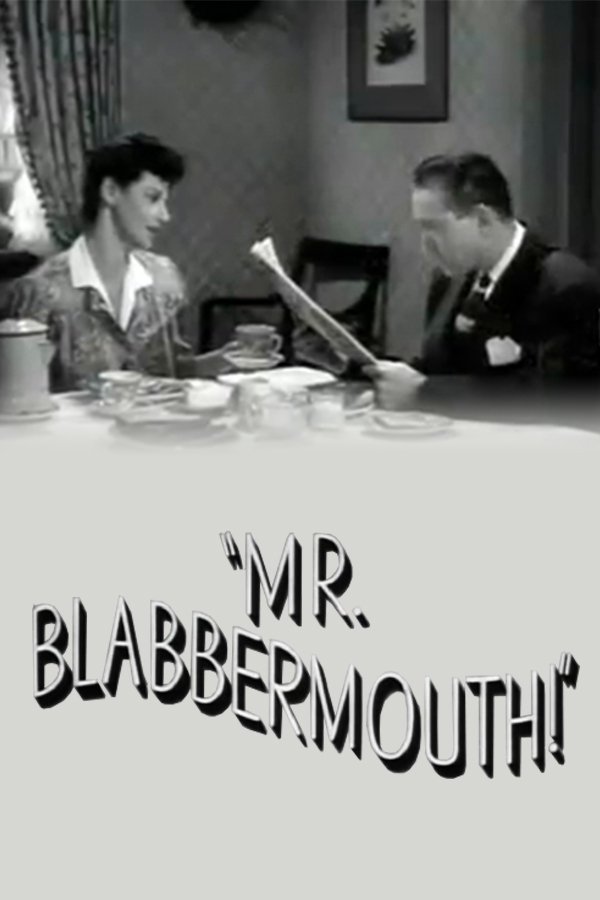
Mr. Blabbermouth!
War
Overview
Following Japan's attack on Pearl Harbor, America was rife with rumors about the size of Japan's armed forces and how well-equipped they were to wage war against the U.S. Using animation, the first part of this film dispels these rumors by showing that the U.S. had more raw materials and more fighting ships. The narrator also cautions moviegoers against spreading rumors (which are often initiated by enemy infiltrators to create fear and dissention) and believing everything they read in the newspapers. Just because "they say" something, that doesn't make it true.





John Nesbitt
John Nesbitt
Narrator (voice)
John Nesbitt
Narrator (voice)
Ralph Peters
Ralph Peters
Mr. Blabbermouth
Ralph Peters
Mr. Blabbermouth
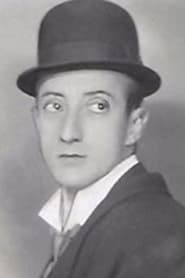
John Berkes
John Berkes
John Berkes
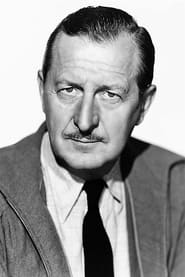
Stanley Andrews
Stanley Andrews
Stanley Andrews
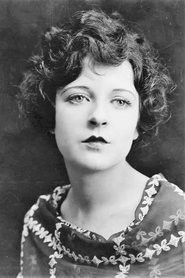
May McAvoy
May McAvoy
May McAvoy
Similar Movies
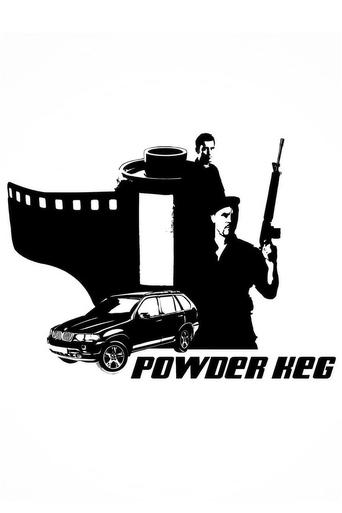
The Driver is drafted by the UN to rescue a wounded war photographer named Harvey Jacobs from out of hostile territory. While they are leaving Jacobs tells the Driver about the horrors he saw as a photographer, but he regrets his inability to help war victims. Jacobs answers the driver curiosity about why he is a photographer by saying how his mother taught him to see. He gives the Driver the film needed for a New York Times story and also his dog tags to give to his mother. When they reach the border, they are confronted by a guard who begins to draw arms as Jacobs begins taking pictures, trying to get himself killed. The Driver drives through a hail of gunfire to the border, but finds Jacobs killed by a bullet through the seat. The Driver arrives in America to visit Jacobs' mother and share the news of him winning the Pulitzer prize and hand over the dog tags, only to discover that she is blind.
The Sailor and the Seagull was released by the U.S. Navy in 1949 with a simple goal: encouraging servicemen to re-enlist. In the film, a disgruntled sailor named McGinty complains about the raw deal he believes he is receiving by serving in the Navy. As luck would have it, a seagull comes to release him from service so that he can experience the freedom of civilian life. McGinty soon learns, however, that civilian life means less freedom and less money than he had imagined and quickly jumps at the chance to re-enlist. (cont. http://blogs.archives.gov/unwritten-record/2013/09/26/sailor-and-the-seagull/)
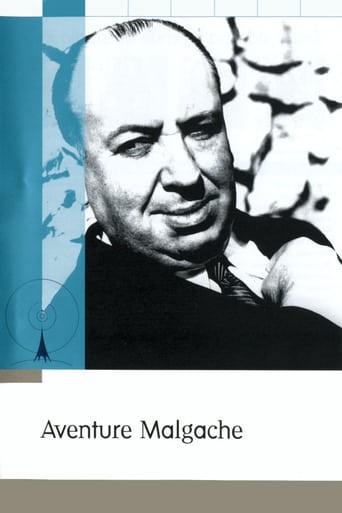
Backstage before a performance, a French actor recalls his time in Madagascar during World War II, when he secretly ran a Resistance radio station under the watch of a collaborationist police chief. His story unfolds in flashback, revealing espionage, deception, and divided loyalties within the French ranks. Made for Britain’s Ministry of Information, this 1944 French-language propaganda short satirizes Vichy opportunism and wartime hypocrisy, and was shelved for decades before its release in 1993.
After escaping a Nazi POW camp, a young Scottish RAF gunner recounts his perilous journey through occupied France with the help of the Resistance. During his debriefing in London, French intelligence officers press him for details—especially about one companion whose true loyalties may not be what they seemed.
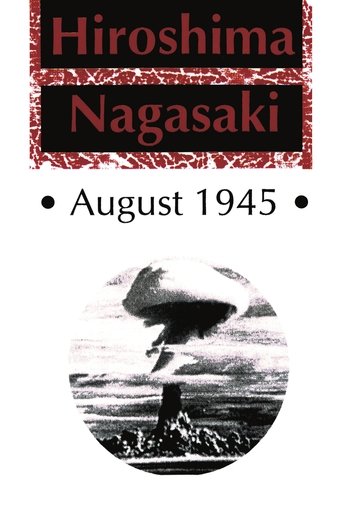
This documentary is a compilation of silent black-and-white film footage shot by the Japanese in Hiroshima and Nagasaki shortly after the atomic bomb blasts in early August 1945. English-language voice-over narration has been added, along with a few scenes from American sources. The film shows the destruction and injury caused by the atomic bombs in graphic detail.
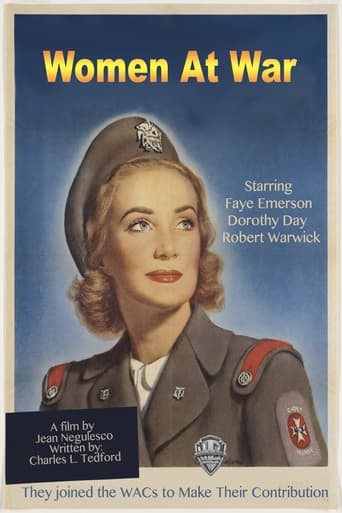
Three young women arrive at the Women's Army Corps facility in Fort Des Moines for varied reasons and with different goals. Mary Savage is a war widow who wants to become an officer, farm girl Stormy Hart wants to become involved in motor transport, and Lorna Travis seeks to win the approval of her father, a major general, who has very chauvinist views on the role of women in the military. Intensive training and guidance prepares the three to make a contribution to the success of the upcoming war games conducted by General Travis and validate the value of the WACS to the war effort.