

Surviving Brandenburg
Comedy
Overview
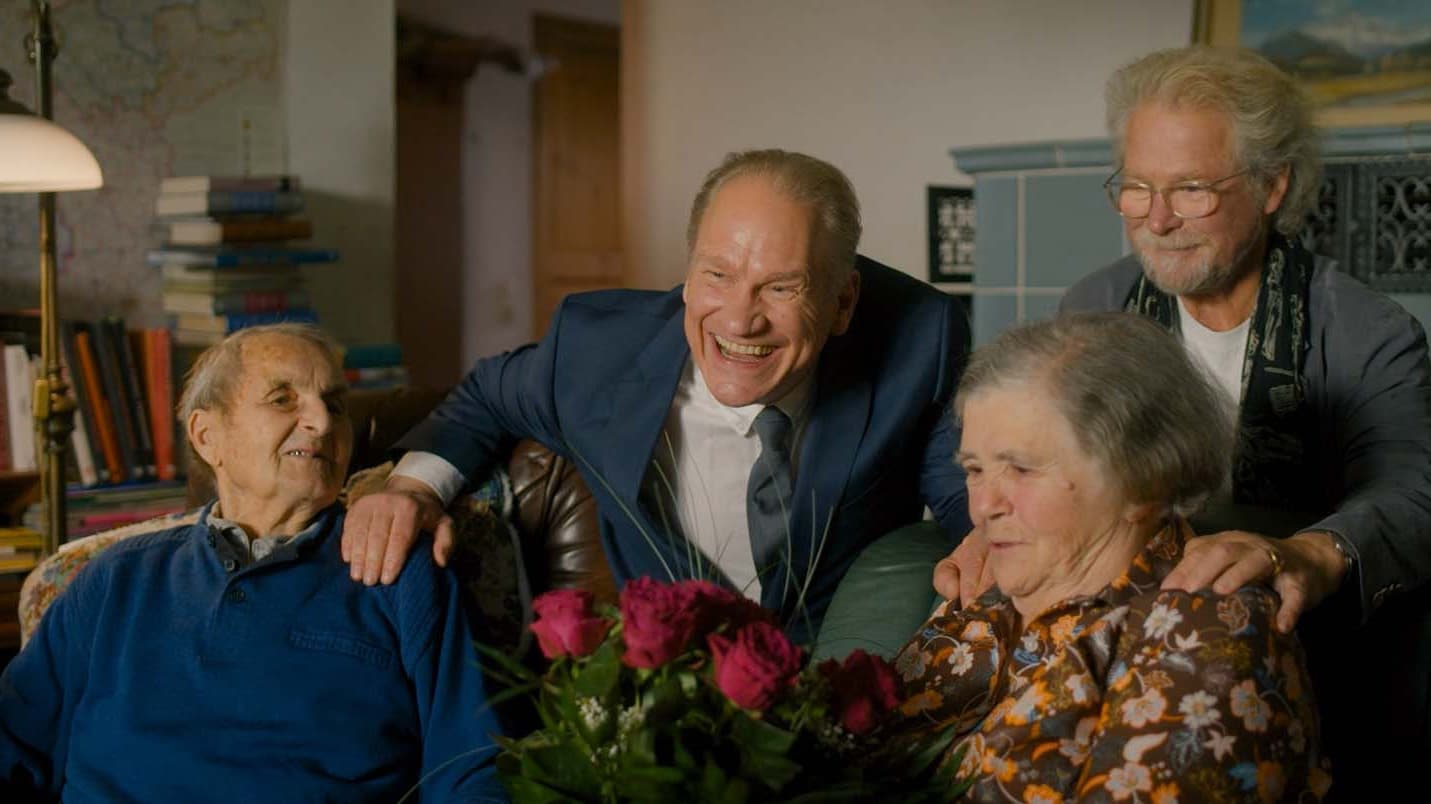
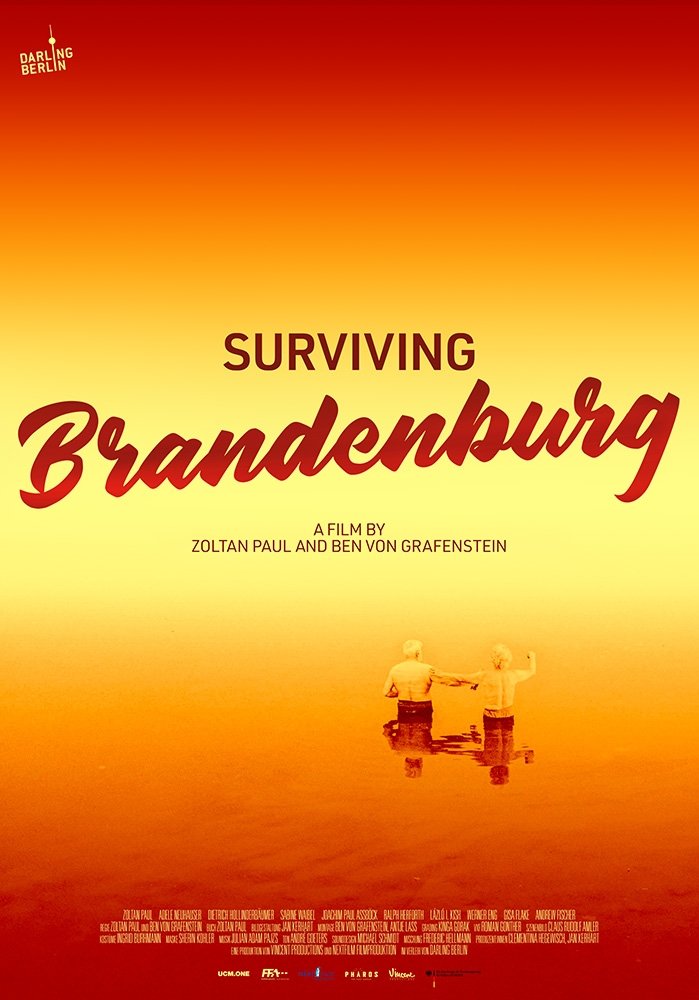
László Kovács, auteur filmmaker, is denied funding for his film project: too old, white and heart problems to boot! Conclusion: no longer employable. Wasn’t the Hungarian from Lake Balaton aiming high? What now? Continue to be on his successful wife’s back? László slips into a real life crisis and initially finds solace in the fascinating attraction of a “crazy woman” from the neighbouring village. But when a right-wing populist stands as the only candidate for mayor in the village of 120 souls, László comes to his senses. In order to “prevent the right-wing idiot”, he puts himself forward as a liberal counter-candidate. The only question that remains is whether László’s marriage and he himself will survive the village election campaign?





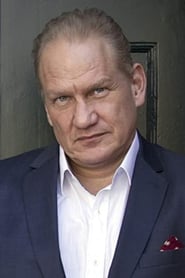
Joachim Paul Assböck
Joachim Paul Assböck
Weidland
Joachim Paul Assböck
Weidland
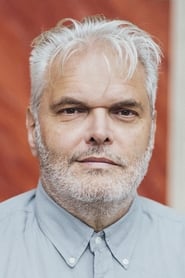
László I. Kish
László I. Kish
Karcsi
László I. Kish
Karcsi

Adele Neuhauser
Adele Neuhauser
Emma Meisel
Adele Neuhauser
Emma Meisel
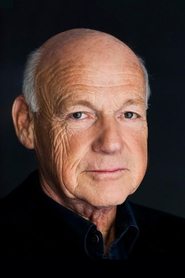
Dietrich Hollinderbäumer
Dietrich Hollinderbäumer
Fritz Meisel
Dietrich Hollinderbäumer
Fritz Meisel
Sabine Waibel
Sabine Waibel
Lisa Mühlberg
Sabine Waibel
Lisa Mühlberg
Werner Eng
Werner Eng
Mario
Werner Eng
Mario
Zoltan Paul
Zoltan Paul
László
Zoltan Paul
László

Ralph Herforth
Ralph Herforth
Clemens
Ralph Herforth
Clemens

Ulrike Bliefert
Ulrike Bliefert
Mutter
Ulrike Bliefert
Mutter
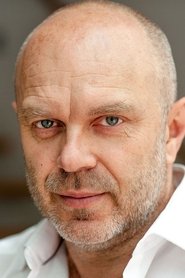
Attila Borlan
Attila Borlan
Attila
Attila Borlan
Attila
Similar Movies

Ina, just released from prison, returns to the place of her childhood in search of life and meets the occasional desperado Domühl in her mother's house, which has been empty for thirty years. Hagen, a mentally handicapped resident, also ends up in this unusual landscape somewhere in the middle of nowhere south of Berlin in search of his uncle.
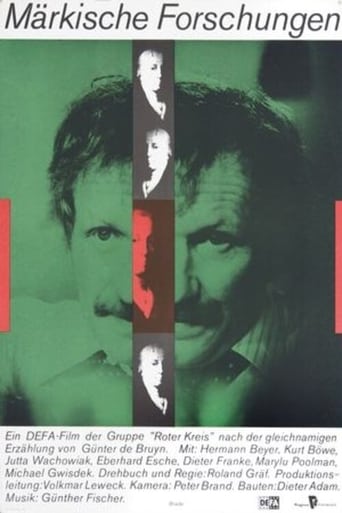
On a forest road in the Brandenburg March, village teacher Potsch accidentally encounters the distinguished Professor Menzel, who got stuck there in his car. In the conversation that ensues, Menzel and Pötsch quickly discover that they both are great admirers of the early 19th-century writer Max von Schwedenow who was born in the area.
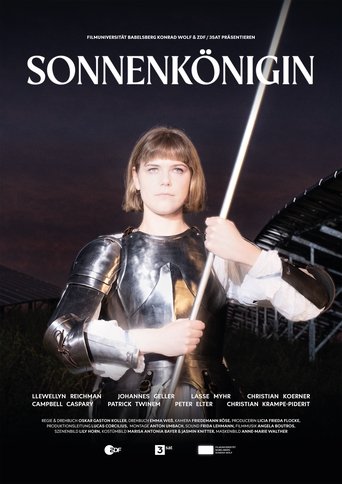
In this film, shot in Drachhausen/Hochoza in southern Brandenburg, film students from Potsdam reinterpret Schiller's play ‘Die Jungfrau von Orleans’ (The Maid of Orleans) and set it in Lower Lusatia. Johanna, the harvest queen, campaigns for the expansion of a solar park. She is celebrated by many for this, but some are hostile towards her. After the cock plucking/łapanje kokota, a scandal erupts in the ballroom.
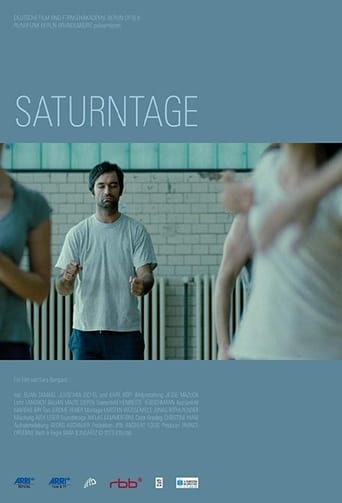
Thies lives in Berlin with his three-year-old daughter Ella and his girlfriend Isa. He has been suffering from depression for quite some time and has tried all kinds of treatments. When Isa is away for a few days for work and Thies has to look after his daughter, he is no longer able to fight his depression. He finally takes his daughter to his in-laws and faces up to his anxiety.
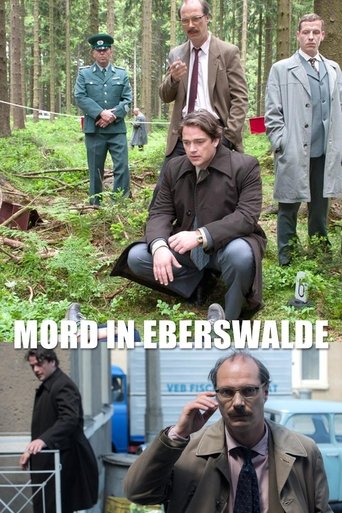
Heinz Gödicke is the chief commissioner of the People's Police in the small town of Eberswalde in Brandenburg. Gödicke is called when two bestial murdered children are found in the forest. The investigator tries to get involved in the perpetrators - a rarely used method at the People's Police - and the perpetrator so on the track. The Stasi-Major Witt is no friend of this procedure and leaves the commissioner only reluctantly free hand in the investigation. The matter does not go to the authorities fast enough and is then simply put to the files. When another murder occurs, it becomes clear that Gödicke was much closer to the enlightenment of the act than everyone thought.
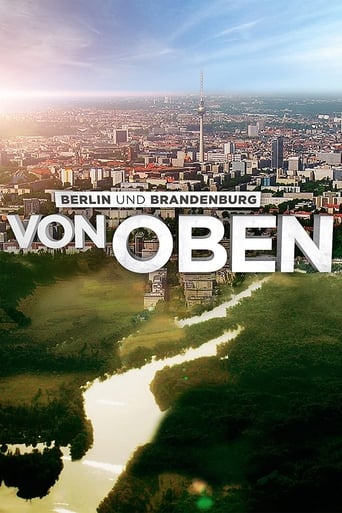
25 years after the reunion between East and West Germany, this movie shows pictures from different perspectives of people and country, during a glide flight above the metropolis. Which visions and dreams marked this region? What changed and what emerged from the city’s contentious history? We take a look from above to see the city and its citizens.
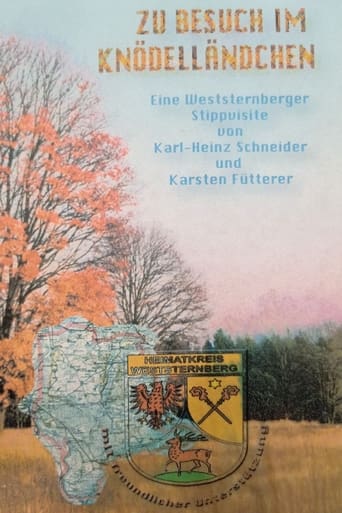
Karl-Heinz Schneider travels once again to his former homeland. In his pictorial and masterful narrative style, the author lets us participate once again in his childhood and youth days and vividly shows us the history, culture and people of the former Brandenburg district of Weststernberg.